
Dubai on a Budget: All the Top Sights Without Going Broke
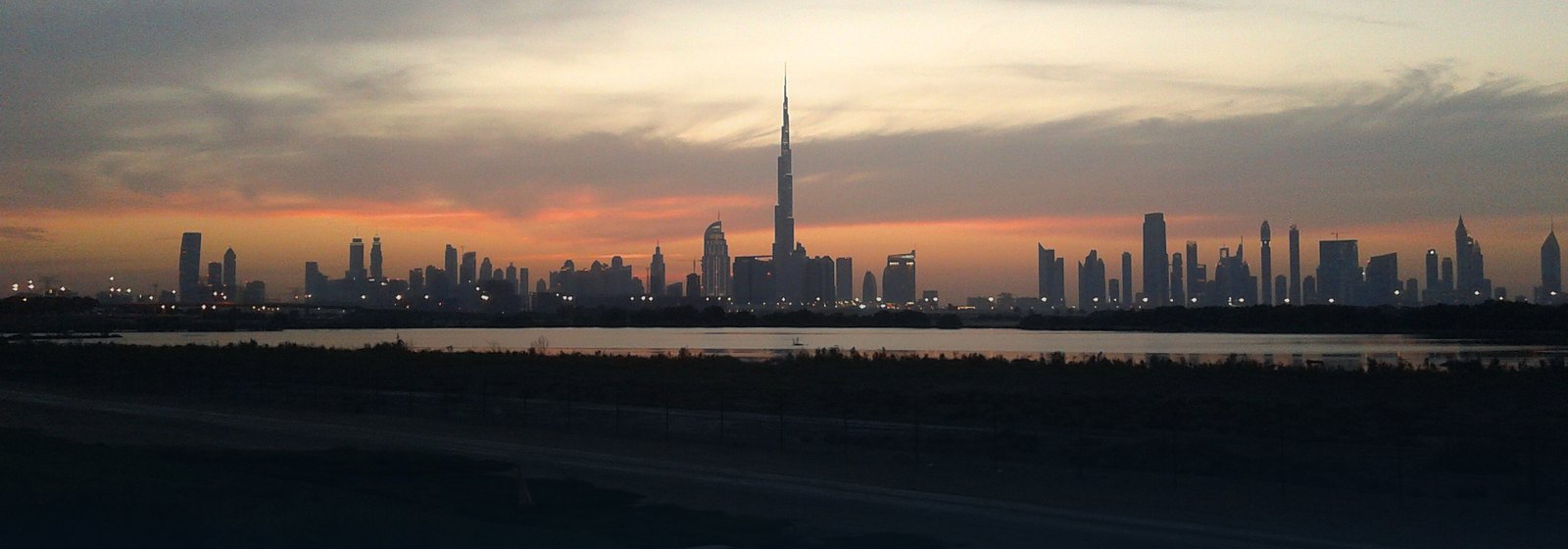
Dubai can look like a city built for millionaires: the world's tallest building, a sail-shaped hotel, a palm-shaped island, a driverless metro. But in between all that sits the old town, where the creek crossing costs 1 dirham, public beaches are free, and the spice and gold souks work just as they did 50 years ago.
We've gathered every main sight in Dubai — from Burj Khalifa to the mountains of Hatta — with honest ticket prices and the tricks that really save: where to look for free, what to book online, how to get around by metro instead of taxi.
The one rule in Dubai is to hide from the heat: do anything serious in the morning before 11:00 and in the evening after 17:00, and at midday retreat into a museum, a mall or a water park.
Dubai can look like a city built for millionaires: the world's tallest building, a sail-shaped hotel, a palm-shaped island, a driverless metro. But in between all that sits the old town, where the creek crossing costs 1 dirham, public beaches are free, and the spice and gold souks work just as they did 50 years ago.
What to see: the main sights
Burj Khalifa and At the Top
828 metres, 163 floors and the tallest man-made structure on the planet. The observation decks on floors 124–125 give you the whole city, the desert, the Persian Gulf and the islands; level 148 is 555 metres up with an open terrace. Below it lie a park with musical fountains and Dubai Mall.
Tickets: approximate from 149 AED for levels 124–125, higher costs more; prices at burjkhalifa.ae · 2–3 hours
Money-saving tip: Book online and avoid peak hours: the gap between a prime slot and an off-peak one is significant. The cheapest option is to look at the tower from outside, from the Dubai Fountain or Burj Park: the evening light show is free.
Dubai Mall and the Dubai Fountain show
One of the biggest shopping centres in the world: 1,200 shops, an aquarium, an ice rink, a waterfall with divers and a way out to the fountain. The Dubai Fountain shoots 275 metres of water dancing to music every 30 minutes from evening until night, against the lit-up Burj Khalifa.
Tickets: entry to the mall and the show is free · 2–3 hours
Money-saving tip: The show is free: watch from the Souk Al Bahar side or the bridge in front of the Apple Store — a better view than from the waterfront restaurants. Eat in the food court rather than the terrace restaurants with a view: the view surcharge is double-digit.
Palm Jumeirah and The View at the Palm
An artificial palm-shaped island built out into the sea: a trunk, 17 fronds, 5 km of beaches and Atlantis hotels with a water park at the top. The View at the Palm is an observation deck 240 metres up, where you can see the island's shape in full — something you can't do from the ground.
Tickets: walking around the island is free, the observation deck needs a ticket (approximate 100+ AED) · 1.5–2 hours
Money-saving tip: Take the metro to Dubai Internet City or the tram to Palm Jumeirah, and use the monorail to get around the island — cheaper than a taxi. Free option: the beach on the island's west side, which also gives the best photos of Burj Al Arab.
Burj Al Arab (from outside) and Jumeirah Beach
A sail-shaped hotel on its own island: 321 metres, a helipad on the roof, a panoramic restaurant 200 metres up. You can't go inside without a booking or a ticket, but from Umm Suqeim public beach you get that shot — the sail, the sea and the sunset.
Tickets: free from outside · 1 hour
Money-saving tip: Umm Suqeim Beach and Jumeirah Public Beach are free, with showers and changing rooms. Sunset from this shore is a free show you don't need to book.
Old town: Al Fahidi and its museums
The oldest residential quarter in the city: mud-brick houses with wind towers for ventilation, narrow lanes, cultural centres and coffee shops. From here you see what Dubai was before oil: pearl trading, fish, caravans and the sea instead of skyscrapers.
Tickets: walking around is free, individual house museums charge admission · 1.5–2 hours
Money-saving tip: Drop into the cultural centres (Sheikh Mohammed Centre for Cultural Understanding) — free exhibitions and an inexpensive Arabic breakfast by reservation. Walk the area in the morning: by noon the heat drives everyone indoors.
Dubai Creek and the abra crossing
The historic creek where Dubai began: wooden abra boats shuttle between Deira and Bur Dubai, surrounded by old warehouses, tea houses and markets. The crossing takes five minutes, but it's the most honest and atmospheric experience in the city.
Tickets: 1 dirham for the crossing on a public abra · 30–60 minutes
Money-saving tip: 1 dirham is the fare; a round-trip tourist abra costs 20 times more and gives you less. Pay in cash and keep small change ready.
Gold and Spice Souks (Deira)
The Gold Souk is hundreds of windows full of rings, chains and bracelets, where the price depends on weight and how well you bargain. The Spice Souk next door has saffron, turmeric, frankincense, dried lime and tea, all in sacks and baskets, with a smell you can catch a block away.
Tickets: free entry · 1–1.5 hours
Money-saving tip: Buy gold by weight and ask for a certificate, and bargain hard. Get spices and tea at the Spice Souk — the same things cost three times as much in the malls.
Dubai Marina and Marina Walk
A district of canals and skyscrapers where the pavements are a promenade around the marina full of yachts: 8 km for walking, cafés, sculptures, water taxis and residential towers 300 metres tall. In the evening it's cool and very lively.
Tickets: free · 2–3 hours
Money-saving tip: The promenade is free, and the abra water taxi across the marina costs pennies compared with a cruise. Take the metro to DAMAC or Dubai Marina station, then walk.
JBR The Beach
A city beach in Jumeirah Beach Residence: a kilometre and a half of sand, volleyball courts, outdoor gym equipment, cafés along the Walk promenade and an open-air cinema in winter. Swimming by day, running and strolling in the evening.
Tickets: free · 2–4 hours
Money-saving tip: Entry and showers are free. Sun loungers are paid, but your own towel solves that. Buy food and water at the supermarket near The Walk — prices on the seafront are double.
Madinat Jumeirah
An 'old town' complex built in the style of an Arab village: canals, wind towers, and the Souk Madinat market with crafts, boutiques and restaurants, from where you get a view of Burj Al Arab across the water.
Tickets: the walk and the abra are free · 2 hours
Money-saving tip: The abra along the complex's canals is free — the same ride as in the marina, but for 0 dirhams. The market is good for gifts: mall-level selection, lower prices.
Museum of the Future
A museum in a ring-shaped building covered in calligraphy: inside are floors devoted to space, ecology, health and future technology, interactive halls and a view of the city from the building's 'empty' centre. Dubai's most photographed new building.
Tickets: approximate from 149 AED; prices at museumofthefuture.ae · 2–3 hours
Money-saving tip: Tickets are online only and sell out: book ahead and go in the morning, when there are fewer groups. On a budget, come at opening, photograph the façade and head to the free park nearby.
Dubai Frame
A 150-metre 'frame' in Zabeel Park: on one side old Dubai with its creek and markets, on the other the skyscrapers of the new city. Inside is a gallery on the city's history, and at the top a glass bridge across the frame.
Tickets: approximate 50 AED · 1–1.5 hours
Money-saving tip: Come at sunset or in the evening: the lighting and the sight of two Dubais at once. Tickets are cheaper online and queue-free, and the park around it is free.
Miracle Garden and Dubai Butterfly Garden
The largest flower garden in the region: 150 million flowers, arches, castles, an aeroplane and figures made of living plants, refreshed every season. Next door is the butterfly garden with 15,000 butterflies in enclosed pavilions.
Tickets: approximate 75–100 AED, open seasonally (November–May) · 2–3 hours
Money-saving tip: The garden closes during the summer months — check the calendar. Go at opening (9:00): cool, empty and the best light for photos; bring water, it's expensive inside.
Global Village
A seasonal 'whole world in one place' park: pavilions from 90 countries with food, crafts and goods, rides, a circus, evening shows and fireworks at weekends. It's also home to the cheapest street food in the city.
Tickets: approximate from 25 AED, seasonal (October–May) · 3–4 hours
Money-saving tip: Weekday evenings are cheaper and less crowded than weekends. Take the metro to Global Village station and buy tickets online — they cost more at the gate.
Desert Safari
An evening in the desert: 4x4s over the dunes, camel rides, sandboarding, a barbecue dinner in a camp, belly dancing and henna. A Dubai classic and the best way to see that beyond the city lies a real desert.
Tickets: approximate from 150 AED for a budget group tour · 5–6 hours
Money-saving tip: Don't overpay for VIP camps: a budget group tour gives you the same dunes. Compare prices — operators differ by 2–3 times for the same route — and book online.
Hatta: mountains, kayaks and an old fort
The emirate's mountain enclave 130 km from the city: Hatta Dam reservoir with kayaks, rock trails, cycling routes, an old fort and a heritage village. A complete reset after all the glass and concrete.
Tickets: transport and activities are paid, entry to the fort is inexpensive · a full day
Money-saving tip: Go on a weekday and early in the morning, and bring water and food: cafés are scarce. Rent a kayak on site — online bookings cost more — and shuttle buses run on a schedule, so check it in advance.
Kite Beach and La Mer
Kite Beach is the kitesurfers' beach, with a view of Burj Al Arab, a running track, a workout zone and cheap food trucks. La Mer is a beach district with graffiti, cafés, trampolines and palms, where people come for the sunset.
Tickets: free · 2–4 hours
Money-saving tip: Both beaches are free, with showers and changing rooms. Kite schools on Kite Beach are cheaper in the morning; at La Mer bring your own food — restaurant prices.
Free and off the beaten path
- Umm Suqeim Beach and Jumeirah Public Beach — That view of the sail-shaped hotel, with free showers and changing rooms. Sunset here beats any paid tour.
- Dubai Fountain at Dubai Mall — Fountain shows every half hour from the evening, free. The best view is from the Souk Al Bahar side.
- Al Fahidi Historical Neighbourhood — A mud-brick old town with wind towers and cultural centres. Free entry and almost empty in the morning.
- Abra along the Madinat Jumeirah canals — A free boat ride through the canals of the 'Arab village', with the Souk Madinat market next door.
- Dubai Marina Walk — 8 km of promenade around the marina with yachts and skyscrapers. Cool in the evening, free to enter.
3-day itinerary
Day 1
New Dubai. Morning: Burj Khalifa on an online ticket (while it isn't hot), then Dubai Mall and the aquarium. Lunch in the food court. Afternoon: Dubai Frame or the Museum of the Future, evening: the fountain show and the tower lit up. Transport: metro, red line, Burj Khalifa/Dubai Mall station.
Day 2
Old Dubai and the shore. Morning: Al Fahidi and the quarter's museums, the abra crossing for 1 dirham, the Gold and Spice Souks in Deira. Lunch in the Indian quarter. Afternoon: Umm Suqeim Beach with the Burj Al Arab view, evening: Madinat Jumeirah and the free abra along the canals. Transport: metro, green line to Al Fahidi, then an abra.
Day 3
The Palm, the marina and the desert. Morning: Palm Jumeirah and, if you buy a ticket, The View. Afternoon: Dubai Marina Walk and JBR The Beach with a swim. Evening: a Desert Safari with dinner in camp (budget group from 150 AED) or Global Village if you're travelling in season. Transport: metro and tram, taxi only in the evening.
Getting there
Check three airports: the main DXB, Sharjah (SHJ) next door — home of low-cost Air Arabia — and Abu Dhabi (AUH) about 1.5 hours away. The fare difference often covers the transfer to Dubai.
Food
- Deira and Al Karama — cafeterias with shawarma, biryani and Indian food for €2–4
- Ravi (Satwa) — a legendary Pakistani canteen: two people eat well for ~€10
- Deira fruit markets — dates, mango and juices cheaper than supermarkets
Transport
Get a Nol card: metro, buses, trams and water buses on one card. The Red metro line runs from the airport through the whole city. And the abra — a traditional boat across Dubai Creek — costs 1 dirham (~€0.25) and replaces a sightseeing cruise.
Where to stay
Budget and near the metro: Deira and Al Barsha. Compare prices with an aggregator — the same hotel can differ by up to 30% across sites, and free cancellation lets you rebook if the price drops.
FAQ
How much does a day in Dubai cost?
€60–90 per person: accommodation €30–45, food €15–20, transport €4–6, one paid attraction. Beaches, the fountains, the old town, the abra and the promenade are free.
How much is a Burj Khalifa ticket?
Approximately from 149 AED for levels 124–125; level 148 costs more. Book online and avoid peak times; exact prices are on the official site.
What does the metro cost in Dubai?
From 3 to 7.5 AED per ride depending on the zone. The Nol card beats single tickets and works on the metro, tram and buses.
How can I see Burj Al Arab without an expensive tour?
From outside and from Umm Suqeim Beach — free. You can only get inside with a restaurant booking or a ticket, which cost as much as a separate tour.
What's free in Dubai?
Jumeirah beaches, Kite Beach, JBR and La Mer, the fountain show, the Al Fahidi old town, the abra crossing for 1 dirham (not free, but almost), the marina promenade and the abra at Madinat Jumeirah.
When should I go to Dubai?
November to March: 25°C and comfortable for walking all day. In summer it's 45°C with high humidity — that's when malls, museums and water parks come to the rescue.
Is a Desert Safari worth it?
Yes, if you want to see the desert and ride the dunes: a budget group tour from 150 AED includes the 4x4s, camels, dinner and a show. Compare operators — prices vary widely.
How do I save on food in Dubai?
Eat in mall food courts, in Deira's Indian quarter and at street markets: lunch for €5–8. Restaurants in hotels and on the beachfront are 3–4 times more expensive.